
The creator economy is booming: today it’s a multi‑hundred‑billion‑dollar market valued at around $127 billion in 2025, projected to approach half a trillion by 2027.
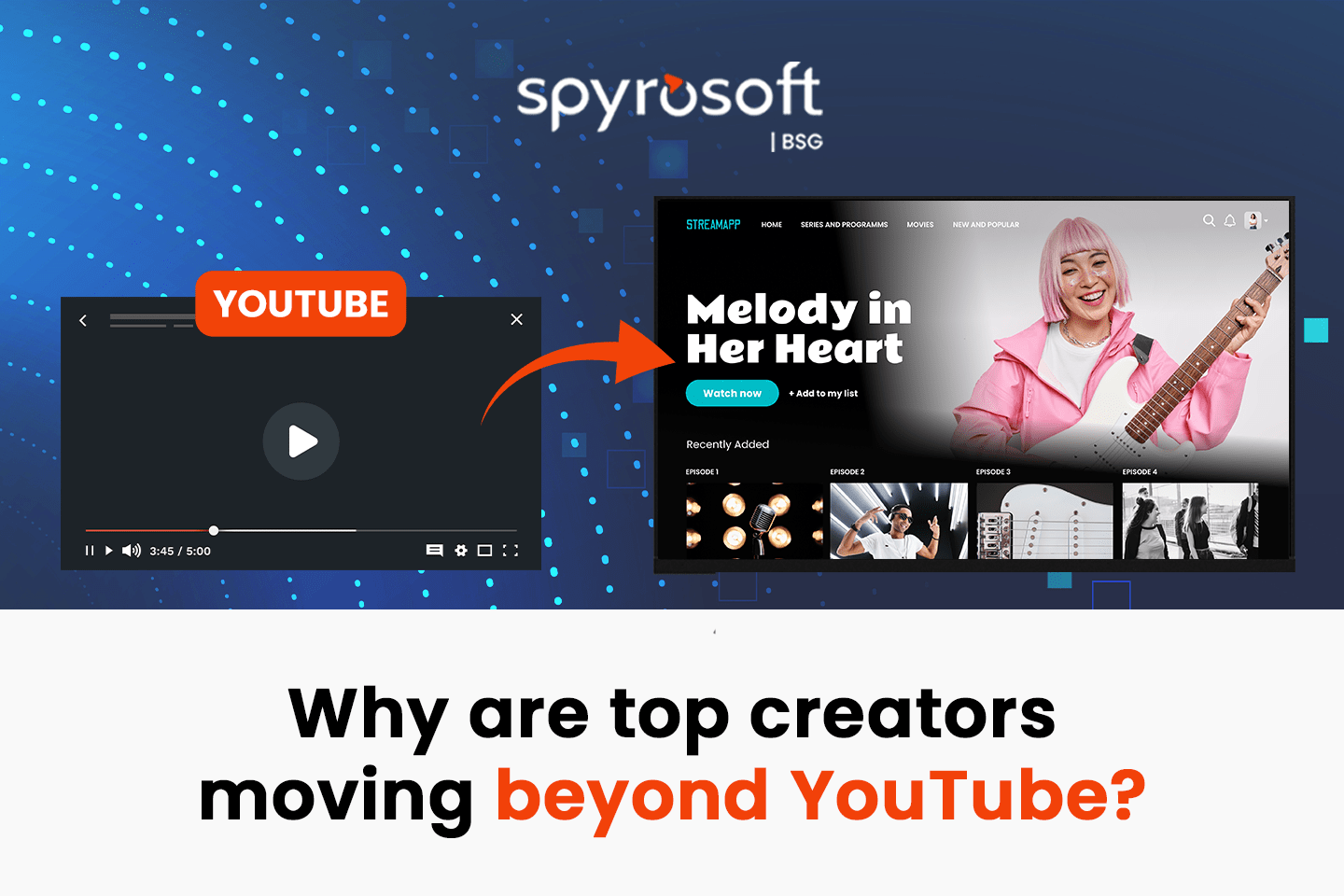
YouTube still dominates: approximately 65.8 million creators post on YouTube monthly, while the platform reaches 3.8 billion unique visitors each month. However, recently, more and more YouTubers are expanding their activities and launching their own streaming platforms. Why? It all comes down to control, creativity and community.
Let’s take a closer look at why YouTubers are saying ‘thank you’ to YouTube and then building something that is truly their own.
1. YouTube Partner Program isn’t enough anymore
The YouTube Partner Program (YPP) has long been seen as the holy grail for aspiring creators, offering a share of ad revenue and monetisation tools once certain thresholds are met. But as the creator economy matures, it’s becoming clear that YPP isn’t always the sustainable model it once promised to be.
While it gives access to monetisation, it also comes with high dependency on factors out of the creator’s control: algorithm changes, content eligibility rules, advertiser demand and strict policy enforcement. Creators can be demonetised without warning, see revenue drop overnight or lose access to certain monetisation features due to changing platform priorities.
And then there’s the revenue split: YouTube takes up to 45% of what your videos earn through ads. That’s a big chunk, especially when compared to running your own platform, where you keep more of what you earn, set your own pricing and explore new ways to make money beyond ads.
2. YouTube creators are outgrowing the algorithm
YouTube’s algorithm is undeniably powerful, but it doesn’t always play nice with creativity. It tends to reward what’s familiar, not what’s new. Once you find a format that works, the pressure is on to repeat it over and over, even if you’re ready to evolve and try something different.
Many creators have expressed frustration at feeling creatively trapped. They want to produce deeper, longer or more nuanced content – but doing so could risk fewer views, less engagement and a hit to their income. According to a survey by Patreon, over 60% of creators say they’ve changed their content to “please the algorithm”, even when it didn’t align with their brand or audience goals.
By building their own streaming platforms, creators can finally break free from these constraints. They can:
- Decide how long their content is and what it looks like
- Stop worrying about thumbnails, titles and clickbait
- Focus on quality, not just quantity
A standout example is Dropout, launched by the former CollegeHumor team. After years of making fast, punchy sketches for the algorithm, they pivoted to their own subscription-based platform. There, they’ve created long-form shows like Dimension 20 and Game Changer: experimental, serialised content that likely wouldn’t have succeeded on YouTube. And it worked: the shows have built loyal, paying fanbases, no algorithm required.
3. YouTube creators want business independence
YouTube gives creators access to a massive audience but not much control. Monetisation rules can change overnight, ad revenue is unpredictable and platform restrictions often get in the way of running a business on your own terms.
By launching their own streaming platforms, creators gain the ability to set their own pricing models, keep a larger share of the profits and manage subscriptions or content sales directly.
They also gain access to valuable audience data and can create premium offerings like digital courses, exclusive content or membership tiers – without waiting for platform approval or sharing profits with a middleman.
In short, they stop being just content creators renting space on someone else’s platform – and start running their own businesses.
Take Yoga With Adriene, for example. While her YouTube channel has millions of followers, she went a step further and launched Find What Feels Good, a subscription-based platform. It features structured yoga programmes, multi-week challenges and members-only content. This setup provides her with direct revenue, ownership of user data and the freedom to grow her brand without relying on YouTube’s monetisation rules or splitting revenue.
4. Monetisation becomes more diverse and reliable
Making money on YouTube can feel like a moving target. Ad revenue is unpredictable, swinging with algorithm changes, CPM rates and seasonal shifts. Brand deals can bring in solid income, but they often come with creative restrictions, lengthy approval processes and tough competition.
While platform memberships offer some recurring revenue, YouTube still takes a big cut and creators have limited control over how their offerings are structured or priced.
With their own streaming platforms, creators gain the freedom to build and manage multiple revenue streams on their own terms. That includes:
- Monthly or annual subscriptions that grant access to exclusive, premium or ad-free content.
- Pay-per-view and rentals for high-effort productions, behind-the-scenes material or limited-time access.
- Online courses, workshops and masterclasses, especially for creators in education, wellness or business niches.
- Exclusive merchandise bundles available only to subscribers or fans within the platform.
- Access to live events, meetups, Q&A sessions or digital premieres with ticketing or gated entry.
- Tiered memberships offering perks like early access, downloadable resources, personalised content or community features.
A great example of this model is Nebula, a streaming platform created by educational creators like Thomas Frank, LegalEagle and Real Engineering. Nebula offers ad-free, exclusive content for a monthly subscription fee. It gives creators recurring, dependable income and lets them share videos that might not perform well on YouTube, but still resonate deeply with their audience.
5. They are building stronger, direct-to-fan communities
YouTube offers incredible reach, but not always real connection. Even with millions of subscribers, many creators feel distant from their audiences. Comments get lost, notifications don’t always go out and there’s no direct way to communicate with fans or understand who they really are. Most importantly, creators have no access to their audience’s contact info, making it tough to build lasting relationships off-platform.
Independent streaming platforms flip that dynamic. With full access to audience data, creators can:
- Communicate directly with their fans
- Send personalised updates and announcements
- Understand viewing habits and preferences
- Build segmented, engaged communities
One of the best examples is the Sidemen, a UK-based group of YouTube creators who went far beyond the platform. In addition to their hit YouTube videos, they launched Side+, a subscription platform that offers exclusive content, behind-the-scenes footage, podcasts and unique fan perks.
What started as a group of friends making FIFA videos has grown into a full-scale media brand. With Side+, they’ve created a space where fans feel closer to the creators, get early access to content and become part of a community that shares the same humour and values.
6. They are protecting themselves from platform risk
Even the biggest YouTubers are still playing by someone else’s rules. Algorithm changes, demonetisation, shifting community guidelines – all of these can affect how content is seen, how much money it makes or whether it stays online at all. For creators who rely on YouTube as their main income source, that lack of control is a real risk.
Launching an independent streaming platform changes that. Creators gain a much greater sense of stability and ownership. They’re no longer vulnerable to sudden takedowns or disappearing from their audience’s feed because of an algorithm tweak. They decide what gets published, how it looks, how it’s monetised and most importantly, they keep direct access to their audience, no matter what happens on other platforms.
A great example is Ryan and Friends Plus, created by the team behind Ryan’s World, one of YouTube’s most popular kids’ channels. With regulations around children’s content and advertising getting stricter and platform policies changing frequently, they decided to launch their own app. It’s a safe, ad-free space packed with educational videos, games and handpicked content for families. And best of all, it gives them full control, free from third-party uncertainty.
7. Technology has made it easier than ever
Not long ago, launching your own streaming platform meant huge upfront costs, a custom-built solution and a full tech team. It was a major commitment, in both time and money. Today, that’s completely changed.
With white-label OTT platforms and no-code tools, creators can now build and launch fully branded streaming services in a matter of weeks. No coding, no complex infrastructure. Just a clear idea and an audience to serve.
Modern OTT solutions take care of the heavy lifting: hosting, streaming infrastructure, payments, user authentication, analytics, even app distribution across iOS, Android, Roku and smart TVs.
Platforms like Better Media Suite are designed specifically for creators, educators, and niche content brands. They offer:
- Fully custom branding and user interface
- Support for subscriptions and pay-per-view
- Live streaming functionality
- In-app purchases and tiered memberships
- Advanced viewer analytics
- Tools for community engagement
Because of this tech accessibility, more creators are stepping into ownership.
Conclusion
YouTube offers reach, visibility and access to a global audience. But many creators are looking for more – more control, more creative freedom and more stability. Launching a personal streaming platform puts creators in charge. They decide how their content is presented, how revenue is generated and how relationships with their audience are built and maintained.
But this isn’t about choosing one or the other. YouTube is still a powerful discovery tool – it helps you grow your audience. But having your own platform means you’re no longer at the mercy of algorithms or policy changes. The two can work together: YouTube for visibility, your own platform for independence and long-term value.
Building your own streaming platform doesn’t have to be complex. With the right partner, it becomes a clear, manageable step forward. We support creators and content-driven brands in launching platforms that are fully theirs. Contact us and let’s build it together!
If you find this article valuable, you can share it on social media →
Read more about the VOD & OTT Industry!
Media technology integration: turning stacks into systems
Learn how POIS and ESAM move ad control to the source, giving broadcasters real-time flexibility and regional targeting.
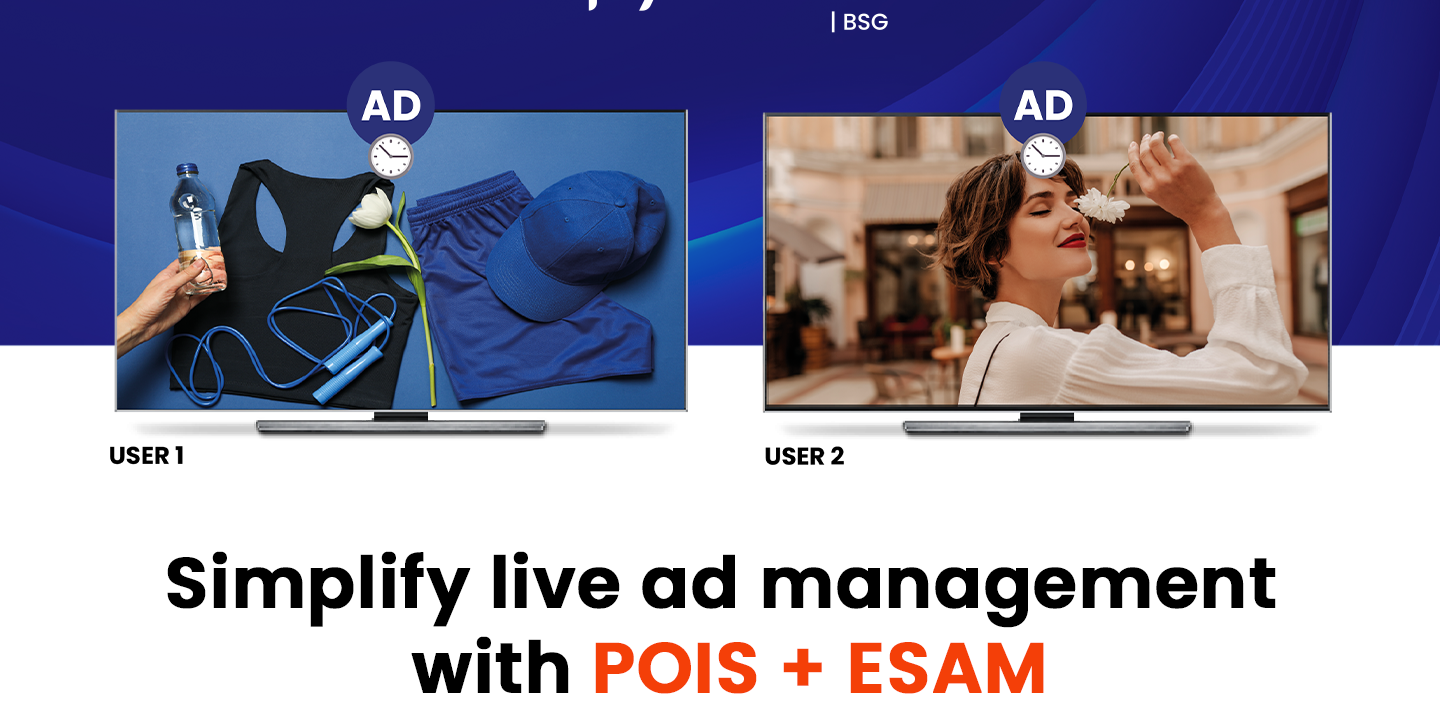
How POIS and ESAM power live ad control
Learn how POIS and ESAM move ad control to the source, giving broadcasters real-time flexibility and regional targeting.
What is Amazon Vega OS and why it matters for Fire TV users
Amazon unveils Vega OS, a new Linux-based system replacing Android on Fire TV. Faster, lighter, and built for independence from Google’s ecosystem.
Are you looking for a partner to build a Video Solution?
Leave your email and a short description about your project. We would gladly discuss different cooperation possibilities!