
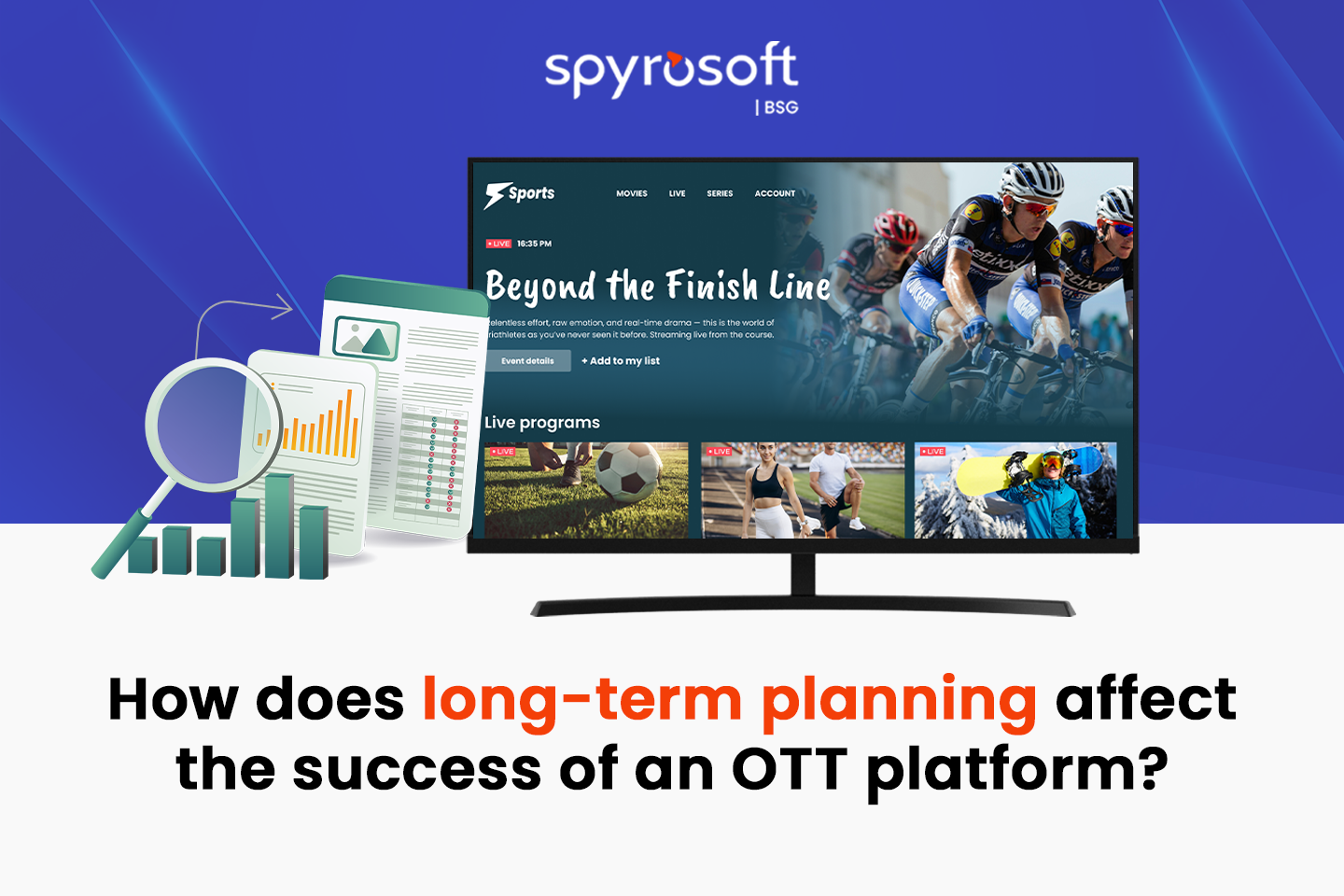
Launching an OTT platform may seem like reaching the finish line. In reality, it’s just the beginning of a much longer journey. While the technical implementation of an OTT platform is crucial, focusing solely on the build phase without a clear, long-term development strategy can hinder success and limit the platform’s potential.
In this article, we explain why OTT platforms need a strategic plan that goes beyond launch and what it should include to support ongoing growth, revenue and scalability.
The risk of a ‘launch-only’ approach
Many organisations invest heavily in the development phase, focusing all efforts on building and launching a minimum viable product. However, once a platform launches, they often find themselves unprepared for what comes next: maintaining user engagement, introducing new features, responding to changing market trends and unlocking new revenue streams.
What can go wrong after launch?
The lack of a strategic development focus can lead to a range of problems that become increasingly difficult to solve over time. From poor retention and low engagement rates to ineffective monetisation models and scalability issues, these are symptoms of a deeper problem – the lack of a long-term plan that integrates technology, business goals and user expectations.
What an OTT platform development strategy should include
A comprehensive OTT platform development strategy should be based on clearly defined goals that go beyond the technical scope of development. It’s not enough to have a functioning video streaming app; the platform must also support evolving business goals, adapt to audience behavior and be prepared to expand into new markets, platforms and content formats.
Clear business objectives aligned with the platform’s role
Before investing in new features or scaling an OTT platform, you need to define what success truly means. Is it growing your subscriber base in specific regions? Increasing user retention and watch time? Implementing new monetisation models?
Without clear goals, platform development becomes reactive rather than strategic. A well-defined vision helps prioritise investments and align your action plan with measurable business outcomes.
Monetisation strategies
Monetisation shouldn’t be an afterthought. Yet many OTT platforms treat it as a post-launch task and that’s where they go wrong. To succeed, monetisation needs to be part of your strategy from day one.
Whether you choose:
- AVOD (Advertising-Based Video on Demand)
- SVOD (Subscription-Based Video on Demand)
- TVOD (Transactional Video on Demand)
- Or a hybrid model
Each option comes with specific requirements for your backend infrastructure, UI/UX, analytics and legal compliance.
Take AVOD, for example. A successful ad-supported platform demands robust ad tech integration, including dynamic ad insertion (DAI), real-time bidding and personalised targeting. These features need to be architected, implemented and tested early in the development cycle.
Plan ahead. The right monetisation strategy can shape your entire platform and define your revenue stream.
Platform roadmap
Your OTT platform roadmap should include phased releases that align with evolving business goals.
Start with an MVP focused on core functionality, then plan strategic rollouts:
- New features (e.g. download for offline, multi-language support)
- New device platforms (e.g. Smart TVs, game consoles, HbbTV)
- UX and personalisation enhancements
- Backend improvements that improve performance and scale
A thoughtful roadmap gives you space to adapt without overbuilding and helps avoid bloated or disjointed platforms.
Marketing and content strategy integration
Growth doesn’t happen without users and users don’t come without content and promotion. An OTT platform’s success depends not only on tech, but also on how compelling the content is and how well it’s marketed.
Your growth strategy should include:
- Campaign plans for user acquisition and retention
- Content release schedules aligned with audience interests
- SEO and app store optimisation for discoverability
- CRM integrations to support personalised marketing and notifications
Remember, a great platform with no users or content has little value. Marketing and content teams should work hand-in-hand with your product and tech leads from the start.
Data-driven decision-making
Let analytics guide your way. Sustainable growth depends on reliable, actionable insights into how users engage with your OTT platform.
Focus on:
- Real-time performance metrics (e.g., video start time, buffering ratio)
- User behaviour tracking (e.g., completion rates, binge patterns)
- Funnel analytics (e.g., registration, subscription, churn)
- A/B testing capabilities for new features or layout changes
Making decisions based on real user data empowers you to optimise both the user experience and your business strategy, one iteration at a time.
Why tech delivery isn’t enough
It’s easy to assume that the hardest part of launching an OTT platform is building it. After all, there’s a lot of complexity involved, from choosing the right tech stack to ensuring the app works across different devices. But the truth is, launching the platform is just the beginning. Technology is only a tool – it’s important, but it’s not the whole story.
What really makes the difference in the long run is how the platform is managed, improved and aligned with your users’ needs and your business goals. The most successful OTT platforms are treated as living products. That means constantly learning from user behaviour, adjusting to shifts in content strategy and staying flexible as the business evolves.
Without this broader, long-term approach, even the most beautifully designed platform can start to feel outdated fast. In a market that moves quickly and where users have endless options, staying relevant means treating your OTT platform not as a one-time project, but as an ongoing journey.
Great technology doesn’t guarantee retention
You can have a stable, fast, and beautifully designed OTT platform – zero downtime, quick video loading, polished UI. And still users might leave. Why? Because great tech alone doesn’t guarantee value. What keeps users engaged is:
- Effortless content discovery
- Personalised recommendations that feel relevant
- The ability to start watching on one device and pick up on another
- Smart features like watchlists, resume playback and parental controls
These aren’t “bonus” features anymore. For users, they’re the baseline. And yet, they’re often overlooked when all the attention is on ticking off development tasks or hitting release deadlines.
If you want long-term engagement, you need to think beyond launch and design with the full user journey in mind.
Product thinking is critical for OTT platforms
An OTT platform isn’t just an app or a website – it’s a digital product. And like any product that aims to grow, evolve and stay relevant, it needs more than just a solid build. It needs a clear strategy that goes beyond delivery. That means knowing what to build, when to launch it and how to improve it continuously based on real user needs.
This kind of thinking involves:
- Tracking how people actually use the platform and listening to their feedback
- Defining and measuring KPIs like engagement, churn, or feature usage
- Prioritising updates based on evidence, not assumptions
- Bringing product, business and tech teams together around shared goals
Without this mindset, platforms can easily fall into one of two traps: feature dumping – adding tools and options without a clear purpose – or complete stagnation, where nothing changes after the initial release.
In both cases, the result is the same: users stop seeing value. That’s why strong product thinking is a must for long-term success.
Scalability and support must be part of the plan
Even if your OTT platform runs smoothly for 10,000 users, what happens when that number grows to 1 million? Will the experience hold up or start to crack under the pressure?
A platform that’s truly ready to grow needs more than just solid code. It needs:
- Cloud-native infrastructure that can scale quickly and cost-effectively
- Load balancing and smart CDN strategies to keep performance consistent
- Real-time monitoring, logging and fast error detection
- A support plan that includes customer service, incident response and ongoing updates
These things can’t be afterthoughts. Planning for scale has to happen from the start. Otherwise, even the most impressive launch can be followed by outages, lags and unhappy users, all of which are much harder (and more expensive) to fix later.
How to future-proof your OTT platform
Building a streaming platform is about staying relevant, scalable and adaptable in the years to come. Future-proofing your OTT platform means making smart decisions early on that allow for growth, innovation and changing user expectations.
Start with cross-functional planning
Long-term success starts with teamwork. From day one, developers, product owners, marketers and business teams should work together, not just to define what the platform is today, but what it could become tomorrow. By aligning on shared goals and thinking ahead, you avoid making early decisions that could limit your future options.
Think in phases
You don’t need to build everything at once. A future-ready platform starts with a clear focus: launch with an MVP that delivers real value, and have a roadmap for what comes next. Know which features are essential for launch and which can wait. That way, you stay lean, but still prepare for what’s coming, whether that’s personalisation, advanced monetisation, or third-party integrations.
Prepare for scaling challenges
As your user base and content library grow, your platform must be able to handle increased demand without sacrificing performance or stability. That means designing scalability into the architecture from day one.
Plan for traffic spikes
From major premieres and live events to seasonal surges, your infrastructure must remain responsive. Use cloud-native solutions, elastic scaling and CDNs to handle unexpected loads smoothly.
Design for global reach
Expanding into new regions? You’ll need multilingual support, localised payments and content licensing compliance in each market. Prepare for this with flexible infrastructure and modular backends.
Handle more data, smarter
Scaling means more users, more engagement and more data. Implement data pipelines and analytics systems that can grow with your needs — and use those insights to personalise experiences and drive platform improvements.
Build on modular architecture
A monolithic system can quickly become a blocker. Microservices or modular backends let different teams work independently, speed up development and reduce the risk of downtime during updates.
Test and monitor continuously
The more your platform grows, the more complex it becomes. Invest in continuous testing (especially on different devices), proactive monitoring and real-time alerting to catch issues early and maintain a smooth experience.
Conclusion
Getting your OTT platform live is a big step but it’s just that: a step. What really counts is what happens next. Without a clear plan for growth, improvement and user engagement, even the best-looking platform can lose momentum fast.
Think long-term. Treat your platform as a living product, not a one-time project. Make room for updates, listen to users and let data guide your next moves. With the right strategy in place, you’re building something that can grow, adapt and succeed for years to come.
Need help turning your OTT platform into a long-term success? Let’s talk – our team is here to support your journey beyond launch.
If you find this article valuable, you can share it on social media →
Read more about the VOD & OTT Industry!
Media technology integration: turning stacks into systems
Learn how POIS and ESAM move ad control to the source, giving broadcasters real-time flexibility and regional targeting.
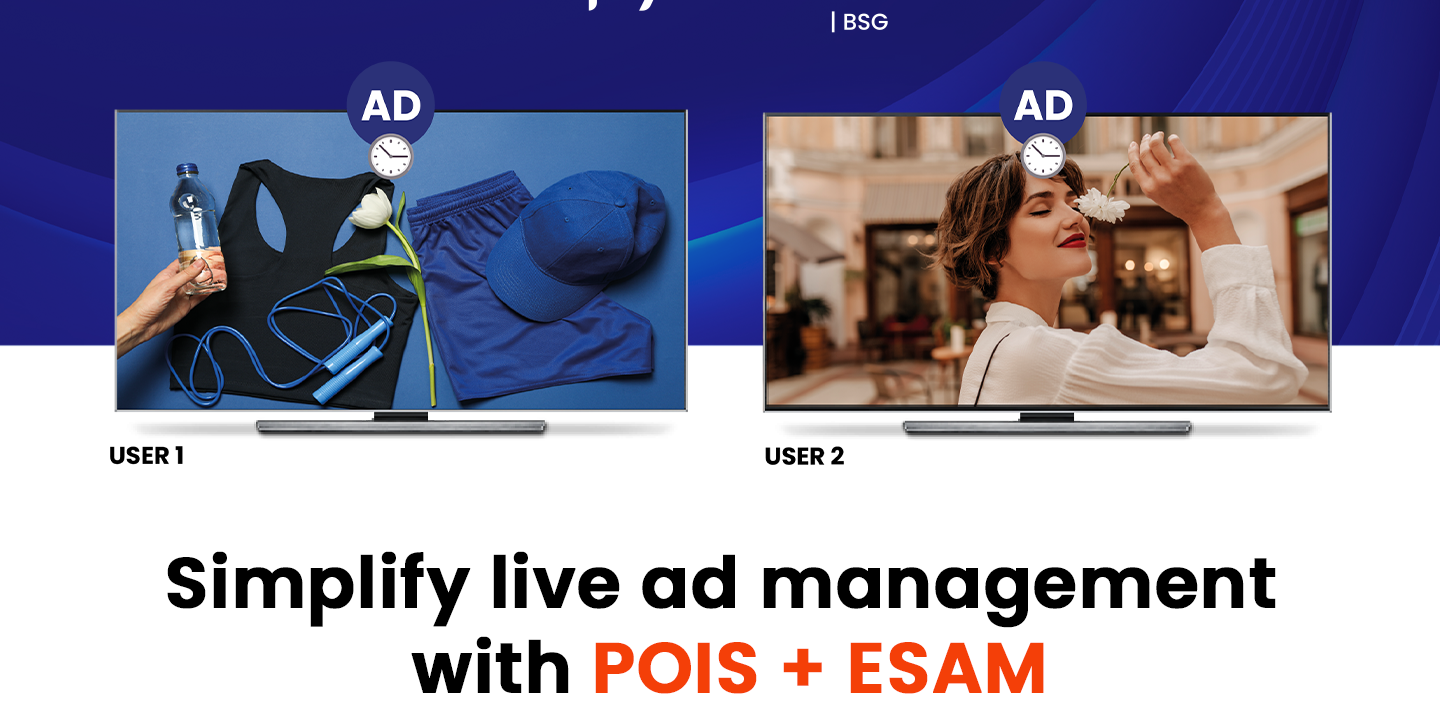
How POIS and ESAM power live ad control
Learn how POIS and ESAM move ad control to the source, giving broadcasters real-time flexibility and regional targeting.
What is Amazon Vega OS and why it matters for Fire TV users
Amazon unveils Vega OS, a new Linux-based system replacing Android on Fire TV. Faster, lighter, and built for independence from Google’s ecosystem.
Are you looking for a partner to build a Video Solution?
Leave your email and a short description about your project. We would gladly discuss different cooperation possibilities!