

The constant drive for application development affects all departments, devices and platforms. This phenomenon is no stranger to the line of TV app development, where performance and speed are paramount. The question is always, is there something that would revolutionise development processes? Especially something that would benefit both the teams involved and the users.
The drive to discover powerful new tools has led to the rise in popularity of LightningJS and LightningJS TV apps. Let’s take a look at this topic to find out how this framework has become one of the top contenders in the industry.
What is LightningJS
At its core, LightningJS is an open-source JavaScript framework for TV application development. The main objectives of its existence are accelerating the development and simplifying the structures used to create the final product and its components. The distinctiveness of this framework derives from the use of WebGL application programming interface for rendering. Thus it creates an environment that doesn’t require HTML nor CSS for layout modelling.
What’s special about Lightning is that it is highly portable and serves multiple major platforms from Smart TVs and Set-top-boxes to all devices running on the HTML5 browser. It performs well on different operating systems and native applications. Such high portability creates a perfect environment to make informed choices regarding used tools. Unlike other popular frameworks, it doesn’t force the developers to comply with top-down software limitations.
Lightning VS HTML DOM
The comparison of Lightning JS and HTML DOM has to come from a greater understanding of different approaches to front-end development. Although this topic on its own is very broad, its simplest explanation is that Lightning is architecturally component-based. One may say that it utilises certain building blocks which abstract a great deal of manual work. HTML DOM is more of a means to directly manipulate the structured representation of the HTML document with the use of JavaScript.
Main benefits of LightningJS
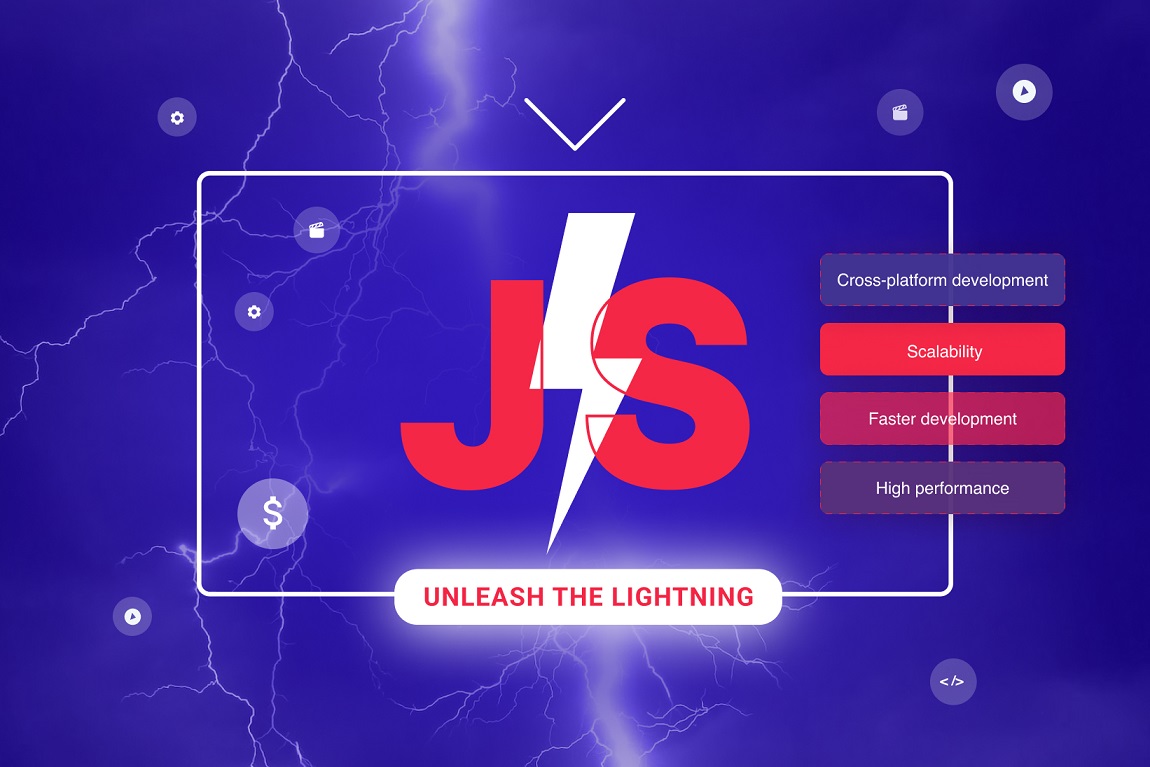
Cross-platform development
When we take a closer look at the variety of devices and operating systems of use, native development is not only time-consuming but often the costs can outweigh the advantages. One of the main benefits of Lightning JS applications is that they can be simultaneously built for a wide variety of platforms, AKA operating cross-platform. Thanks to its adaptability it’s possible to create a seamless and flawless experience across all of the application versions.
Scalability
Expansion of the project scope may prove to be challenging. Fortunately the modular architecture of this popular framework is a way to combat that issue. The reusable components are built to be implemented along the way without a hiccup. Scalable properties of Lightning JS apps can accommodate growing data and user bases as well as new features.
Faster development
The component-based structural build proves to be a critical factor when it comes to the time of solution development. By focusing on applications with VOD services LightningJS provides ready functionalities and components that solve many of the common problems that developers face when creating applications for, for example, TV sets. We are talking here, among others, about the thoughtfully designed and pre-existing navigation functionality using the remote control or even about providing the Asset List component.
High performance
The use of WebGL is one of Lightning’s best advantages as it is responsible for the heightened speed of animating objects. WebGL’s access to Hardware Acceleration allows for maintaining great quality of even advanced animations.
Why the Industry is Turning to LightningJS
It’s no surprise that leading content owners, agencies, and streaming providers are embracing LightningJS. The framework has rapidly established itself as one of the most popular solutions in the industry, used by major companies looking to build next-gen TV and streaming experiences.
What’s driving this shift?
- OTT platforms need speed, flexibility, and cross-platform compatibility
- Smart TVs and streaming devices require GPU-optimised solutions
- Businesses want to reduce costs and development time
Our experiences with LightningJS have shown that it’s a powerful tool that enables developers to build dynamic, high-performance TV applications. With the right expertise, teams can fully leverage LightningJS’s capabilities to create fast, scalable, and visually engaging media applications.
That said, if performance, scalability, and cross-platform support are top priorities, LightningJS is undoubtedly one of the best options available today.
If you find this article valuable, you can share it on social media →
Read more about the VOD & OTT Industry!
Media technology integration: turning stacks into systems
Learn how POIS and ESAM move ad control to the source, giving broadcasters real-time flexibility and regional targeting.
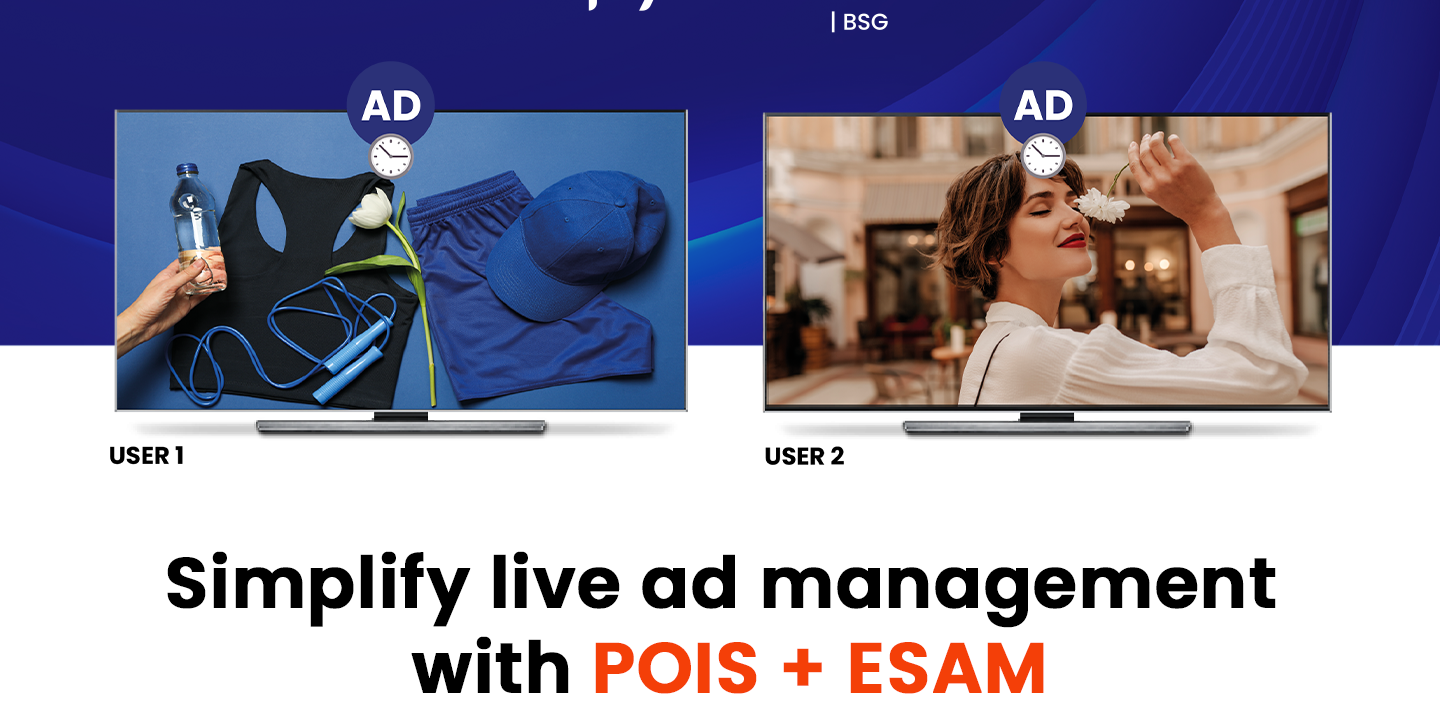
How POIS and ESAM power live ad control
Learn how POIS and ESAM move ad control to the source, giving broadcasters real-time flexibility and regional targeting.
What is Amazon Vega OS and why it matters for Fire TV users
Amazon unveils Vega OS, a new Linux-based system replacing Android on Fire TV. Faster, lighter, and built for independence from Google’s ecosystem.
Are you looking for a partner to build a Video Solution?
Leave your email and a short description about your project. We would gladly discuss different cooperation possibilities!