
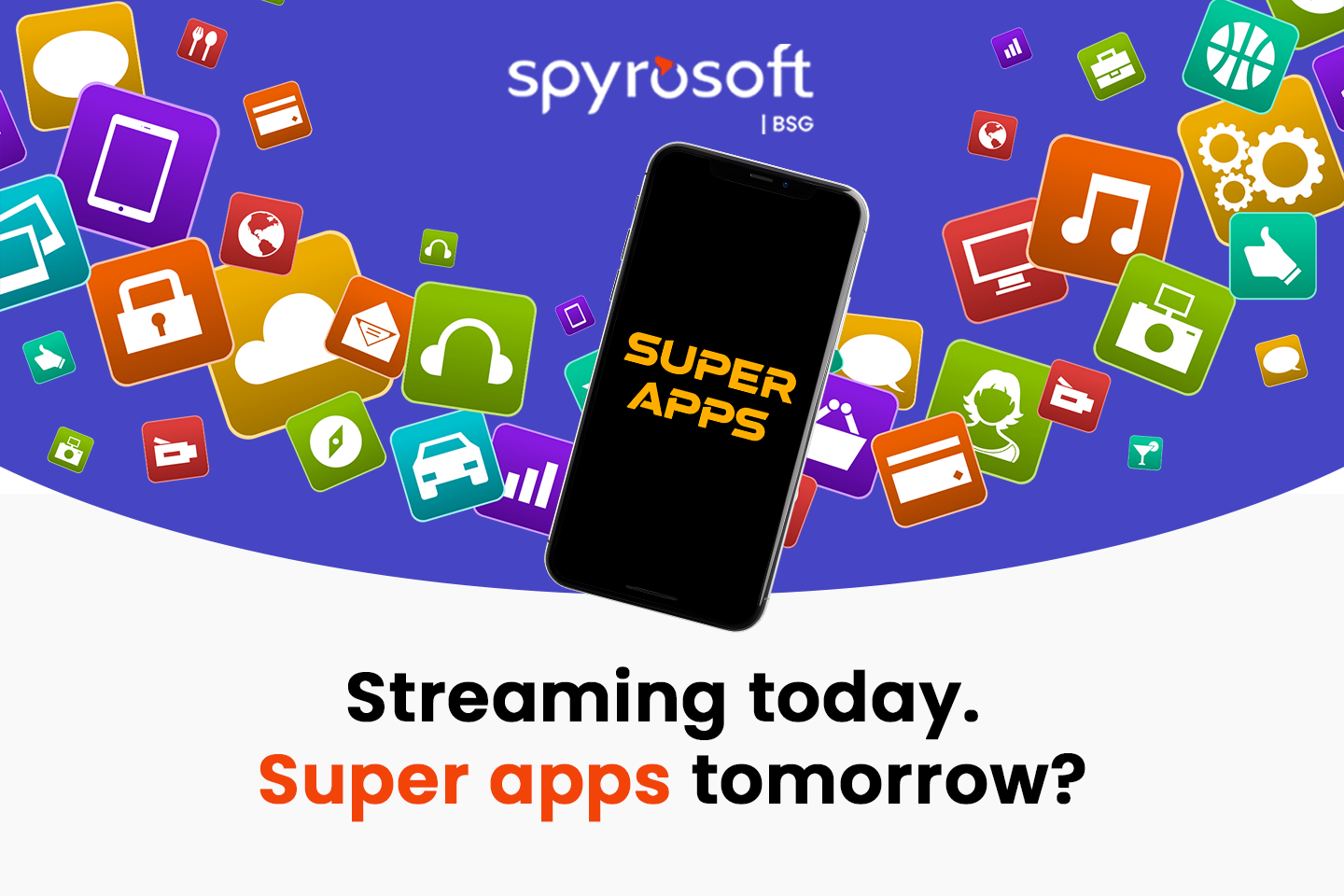
Super apps have taken over digital life in Asia. Platforms like WeChat, Grab and Gojek started out as a single service but have since become ecosystems where you can chat, shop, pay bills, order taxis, book tickets or play games – all in one app. For millions of users, they are an essential part of daily life.
Europe, however, looks different. We do not yet have a fully developed super app. Instead, we see a highly fragmented market where different companies dominate specific verticals – one for shopping, another for payments, another for entertainment. Regulations such as the Digital Markets Act also make it harder for one player to own the entire ecosystem.
But here comes the interesting part: OTT platforms. Streaming services have already secured a central place in people’s daily routines. They are used frequently, offer highly personalised content, and can be extended far beyond video. Could they become the first true European super apps?
What exactly are super apps?
A super app is a mobile-first platform that integrates multiple services within a single ecosystem. The idea is simple: instead of switching between ten different apps, users rely on one application that does it all.
Typical features of a super app include:
- Communication: chat, social networking, video calls.
- Payments and banking: digital wallets, peer-to-peer transfers, micro-loans.
- E-commerce: online shopping, local services, ticketing.
- Transport and logistics: ride-hailing, delivery, car-sharing.
- Entertainment: gaming, streaming, live events, mini-apps.
By integrating these services, super apps increase user interaction, engagement and overall user experience by providing a seamless and unified platform.
The super apps market stood at USD 127.46 billion in 2025 and is forecast to climb to USD 440.19 billion by 2030.
Why did they emerge in Asia?
- Mobile leapfrogging – in many Asian countries, people skipped desktops and went directly to smartphones, making mobile apps central to everyday life.
- Financial inclusion gaps – super apps provided digital wallets and banking alternatives where traditional banking was limited.
- Large, young populations – millions of mobile-first users were quick to adopt multifunctional apps.
- Strong corporate backing – companies like Tencent, Alibaba or SoftBank invested heavily in ecosystem growth.
In Europe, some companies are moving in that direction, though not at the same scale:
- Revolut is expanding from finance into travel, shopping and insurance.
- Bolt has grown beyond ride-hailing to offer food delivery and micro-mobility.
- Spotify is adding podcasts, audiobooks and experimenting with live events.
- Uber integrates rides, food and shopping.
These examples show there is appetite for more integrated services – but a true all-in-one super app is still missing.
The OTT journey: from streaming platforms to digital hubs
OTT (Over-the-Top) platforms have already gone through a significant transformation:
- Netflix started with DVD rentals, became a global streaming leader and is now experimenting with gaming and interactive content.
- Amazon Prime Video is part of a bundle that connects entertainment with e-commerce, delivery and even cloud services.
- Disney+ leverages its strong brand to integrate merchandise, events and theme park experiences around its video content.
This shows OTT is no longer just about watching movies or series. It’s about engagement, personalisation and cross-platform experiences.
In many ways, streaming services are already mini-ecosystems. The question is how far they can go and whether they can add payments, shopping or social interaction like super apps.
Super App architecture: building the OTT ecosystem
The architecture of a super app is what enables the all-in-one experience for users. At its core, a super app is designed to bring together multiple services like digital payments, food delivery, ride-hailing and more within one app, making it easy for users to access various services on one platform.
A key principle of super app architecture is modularity. This means businesses can add or remove features as user needs and market trends evolve, so the platform remains relevant and competitive. Integration is equally important, so different services work together seamlessly so users can, for example, order food, pay bills or book a ride without ever leaving the app.
Scalability is another important aspect. As demand grows and more users interact with the platform, the underlying infrastructure must be able to handle increased traffic and deliver a good experience. Technologies like APIs and microservices make it possible to create a flexible, modular system that can easily add new services and features. Many super apps use cloud-based infrastructure, containerisation and serverless computing to scale efficiently and securely.
Security is top of mind in super app architecture. With so much user data and so many financial transactions happening, robust security measures are essential to protect users and maintain trust. A well-designed super app platform not only drives user engagement and customer retention but also gives businesses a big competitive advantage in the digital services market.
Why OTT could become Europe’s first super apps
Europe may not be the natural birthplace of super apps, but OTT platforms have unique strengths that put them in a strong position:
- Large, loyal user base – millions of people subscribe to Netflix, Disney+ or local streaming services, creating a ready-made audience for new features.
- High engagement levels – users spend significant time on streaming platforms every week, making them attractive gateways for additional services.
- Advanced personalisation – OTT platforms already use AI-driven recommendation engines to tailor content. This can be extended to commerce, advertising or social features.
- Convenience factor – while Europeans may resist a “one app for everything,” they do value seamless, integrated experiences. OTT platforms could be the middle ground.
For example, imagine a sports streaming service where fans not only watch games but also buy merchandise, join fan communities, bet on live matches and purchase tickets – all without leaving the app. That is a super app approach applied to the OTT world.
Monetisation 2.0: lessons OTT can learn from super apps
Traditional OTT monetisation models rely heavily on subscriptions. But with subscription fatigue growing, streaming services need new revenue streams. Here, super apps provide valuable lessons.
Super apps monetise through:
- Tiered subscriptions and memberships.
- Microtransactions (virtual items, small upgrades, premium access).
- Advertising and sponsored content.
- Marketplaces (shopping, event tickets, merchandise).
- Cross-selling (insurance, financial services, travel).
For OTT, this opens the door to integrating e-commerce features, such as the ability to buy products shown in a series, as well as expanding into live events and ticket sales. Platforms can also offer exclusive fan experiences through microtransactions and create hybrid business models that combine ads with subscriptions. By diversifying revenue in this way, OTT platforms reduce dependency on subscription churn while unlocking new business opportunities.
Challenges on the road to becoming a super app
While the opportunity is real, building an OTT super app in Europe will not be easy.
- Technological barriers: building an app that integrates streaming, e-commerce and payments requires a highly scalable, secure and flexible infrastructure.
- Regulatory environment: the GDPR and Digital Markets Act limit how companies can use data and control ecosystems. Super apps in Europe must prioritise transparency and compliance.
- User behaviour: Europeans are used to specialised apps. While they want integration, they may resist an “all-in-one” approach if it feels overwhelming.
- Competition: big tech players like Apple, Google, and Amazon already operate strong ecosystems. For OTT providers, competing on this level requires partnerships and innovation.
The future of OTT in Europe: towards digital ecosystems
The OTT industry is at a crossroads. Staying “just streaming” may not be enough in the long term. Instead, the most successful platforms will likely become digital ecosystems where entertainment is the entry point, but not the only service.
AI is set to drive the next big shift in media and streaming, bringing hyper-personalisation that goes far beyond recommending shows to include products, services and experiences. It will enable new forms of engagement through interactive watch parties, fan communities and gamification, while also powering smart monetisation with AI-driven ad targeting, contextual commerce and dynamic pricing.
The race is open. Will a global giant like Netflix or Disney+ lead the way? Could Amazon Prime extend its dominance even further? Or will regional disruptors create niche super apps tailored to local markets?
Conclusion
The rise of super apps shows a clear direction: users value convenience, integration and engagement. While Europe may not copy the Asian model 1:1, OTT platforms are well placed to adapt this concept for local audiences.
To prepare for the future, OTT providers should:
- Experiment with ecosystem features – beyond streaming, explore commerce, events and communities.
- Diversify monetisation models – reduce reliance on subscriptions by adding ads, microtransactions, and e-commerce.
- Invest in AI and personalisation – build smarter recommendations and tailored user experiences.
- Form strategic partnerships – with payment providers, brands, and service companies to expand the ecosystem.
The lesson from Asia is clear: the more users can do within one app, the longer they stay and the more value they generate. For Europe, OTT platforms might be the ones to make this happen – and become the region’s first super apps.
If you find this article valuable, you can share it on social media →
Read more about the VOD & OTT Industry!
Media technology integration: turning stacks into systems
Learn how POIS and ESAM move ad control to the source, giving broadcasters real-time flexibility and regional targeting.
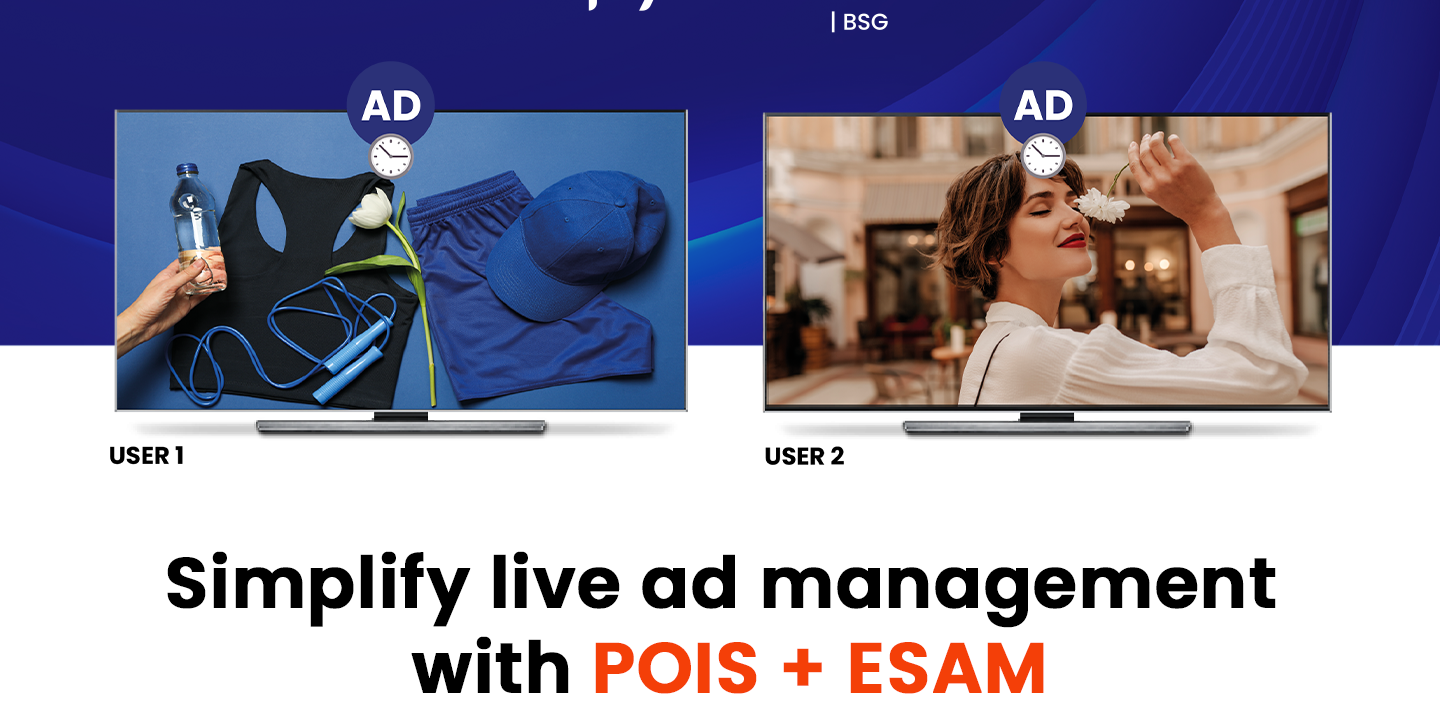
How POIS and ESAM power live ad control
Learn how POIS and ESAM move ad control to the source, giving broadcasters real-time flexibility and regional targeting.
What is Amazon Vega OS and why it matters for Fire TV users
Amazon unveils Vega OS, a new Linux-based system replacing Android on Fire TV. Faster, lighter, and built for independence from Google’s ecosystem.
Are you looking for a partner to build a Video Solution?
Leave your email and a short description about your project. We would gladly discuss different cooperation possibilities!