
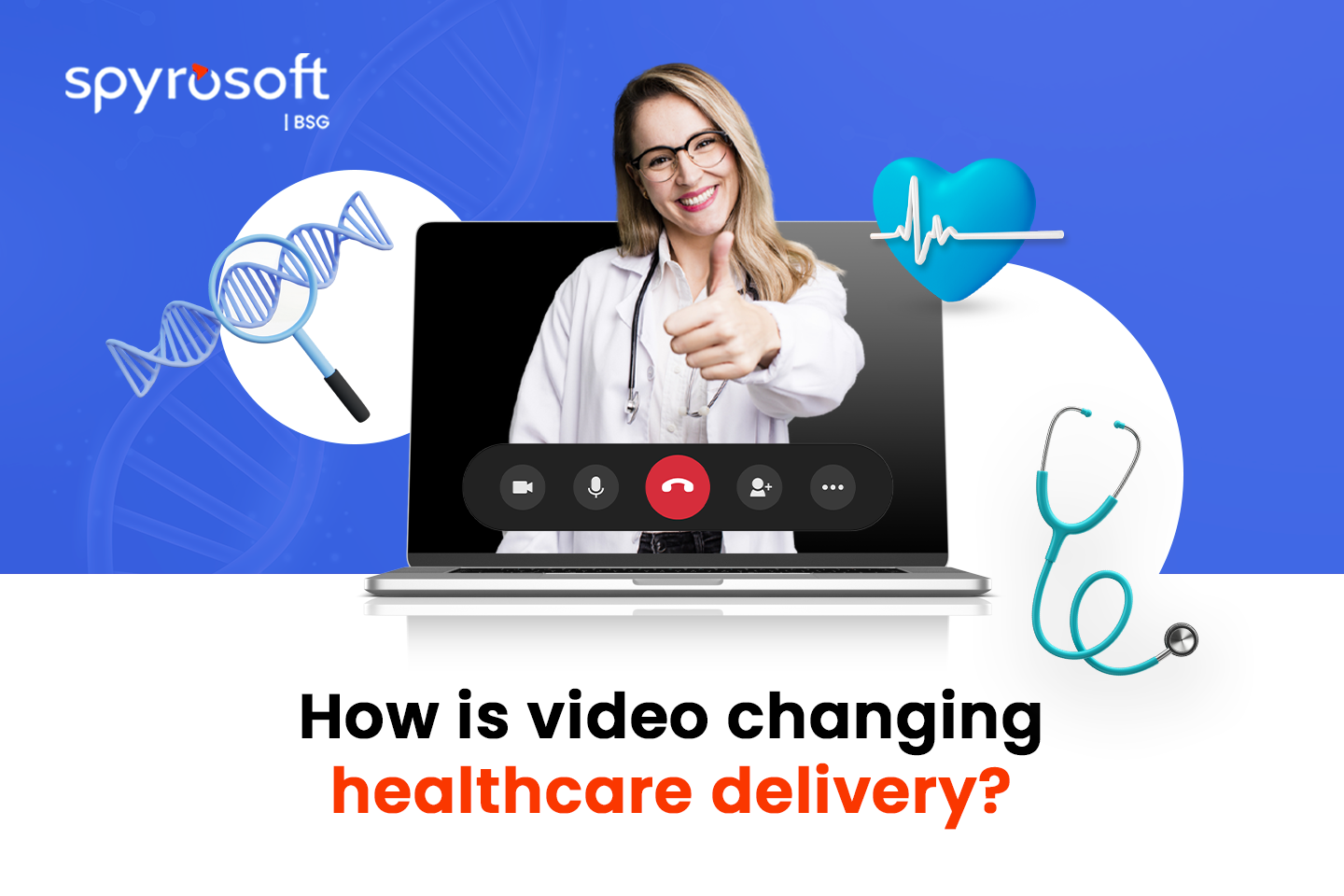
Imagine a world where distance is no longer an obstacle to obtaining quality medical care. Where you can have specialist consultations in the comfort of your own home, and complex surgical procedures can be observed and learned from all over the world. Such things are made possible by video streaming in modern healthcare facilities. In this blog post, we will delve into the exciting applications of video technology, examining how it improves patient care, improves medical education, and streamlines internal operations in hospitals and clinics.
Importance of video streaming in healthcare
Traditionally, healthcare was based on physical proximity for consultations, diagnoses, and procedures. However, this is now rapidly changing. Video streaming technology is becoming a tool that is changing the way healthcare facilities deliver care, educate staff, and manage internal processes. Technology is particularly beneficial in rural or underserved areas with limited access to medical specialists.
Use cases of video streaming in healthcare
1. Telemedicine and remote consultations
80% of consumers have used telemedicine at least once. This is perhaps the most well-known application. Video streaming is fundamental in telemedicine, enabling healthcare professionals to carry out remote consultations. This is particularly valuable in areas with limited access to medical specialists. This eliminates geographical barriers, improves access to care, and provides greater flexibility for patients with busy schedules or mobility limitations.
2. Real-time patient monitoring
Streaming technology can be harnessed to monitor patients remotely. Wearable devices with video capabilities can transmit real-time data on vital signs, allowing healthcare professionals to keep a close eye on patients recovering at home or in remote locations. This facilitates early intervention and personalised care plans.
It is also used in intensive care units (ICUs) and neonatal intensive care units (NICUs). Real-time video feeds enable healthcare professionals to closely observe patient conditions and respond quickly to changes.
3. Medical education and training
Live streaming opens the door to decent medical education. Surgical procedures can be broadcast live to medical students and professionals around the world, offering a unique educational experience that goes beyond textbooks and static images. Recorded procedures can also be stored in libraries for future reference and continuing education.
4. Collaborative consultations
Healthcare often requires collaboration among various specialists. Video streaming facilitates real-time consultations between doctors, surgeons, and other medical professionals across different locations. Multidisciplinary teams can discuss complex cases through video conferences, ensuring comprehensive and coordinated patient care, which enhances decision-making and patient outcomes.
5. Patient education and engagement
Video can be a powerful patient education tool. Hospitals can create libraries of educational videos on various conditions, treatment procedures, and post-operative care. Animated explainer videos can help patients understand complex medical concepts in a clear and engaging way.
6. Remote surgery and robotic assistance
In advanced medical settings, video streaming is used in remote surgeries and robotic-assisted procedures. Surgeons can operate from different locations, using high-definition video feeds to guide their actions, thus expanding access to specialised surgical expertise.
Types of video streaming solutions in healthcare
Live streaming
Live streaming technology allows real-time broadcasting of medical procedures, educational seminars, and conferences. This type of streaming is essential for surgical broadcasting, medical conferences and seminars, or real-time consultations.
Video conferencing
Video conferencing tools are widely used in healthcare to facilitate communication and collaboration among medical professionals and between doctors and patients. Key applications include telemedicine, interdisciplinary team meetings, and family consultations.
On-demand video libraries
On-demand video libraries provide healthcare professionals and patients with access to a vast array of pre-recorded videos. These libraries serve various purposes:
Educational content: Medical schools and hospitals can maintain libraries of instructional videos on procedures, treatments, and healthcare best practices.
Patient education: Healthcare providers can offer patients access to videos that explain their conditions, treatment options, and post-operative care instructions.
CME (Continuing Medical Education): Healthcare professionals can access recorded webinars, lectures, and courses to fulfill their CME requirements and stay current with medical advancements.
Telemedicine platforms
Comprehensive telemedicine platforms integrate various video streaming and communication technologies to provide a seamless virtual healthcare experience. Features of these platforms include virtual consultations, remote monitoring, prescription services, and patient portals.
Incorporating OTT platforms
Incorporating Over-the-Top (OTT) platforms into healthcare adds another dimension to video streaming solutions. These platforms, traditionally used for entertainment, can be leveraged to host a wide range of health and wellness content, such as fitness programs, yoga classes, and mental health workshops.
Healthcare providers can use OTT platforms to deliver educational content directly to patients’ devices, enhancing patient education and engagement. Additionally, OTT platforms can serve as repositories for medical training videos, allowing healthcare professionals to access training materials and lectures anytime, anywhere.
What to consider while implementing video streaming solutions in healthcare
Start by assessing your needs and goals, identifying specific use cases such as telemedicine or medical training, setting clear objectives such as improved patient care or operational efficiency, and engaging stakeholders including healthcare providers, IT staff and patients for comprehensive input.
At the technology selection stage, ensure that the chosen solutions are compatible with existing systems, scalable to grow with future needs, user-friendly for both providers and patients, and equipped with essential features such as high-definition video and real-time collaboration tools.
Provide comprehensive training and support, training staff on effective use, educating patients on how to use the platforms and providing ongoing technical support for troubleshooting.
Finally, evaluate results by monitoring the impact on patient care and operational efficiency, collecting user feedback for continuous improvement, and measuring ROI by comparing the cost of implementation with benefits such as savings and improved patient outcomes.
The last words
In conclusion, video streaming technologies are revolutionising healthcare by enhancing patient care, improving medical education, and streamlining internal operations in hospitals and clinics. The applications range from telemedicine and remote consultations to real-time patient monitoring, medical education, collaborative consultations, patient engagement, and even remote surgery and robotic assistance.
To achieve success in implementing these solutions, healthcare facilities need reliable and user-friendly video streaming platforms. This is where our white-label OTT platform comes into play. It is the fastest and easiest way to distribute your content across all platforms without requiring any coding knowledge. Our professional solution is designed to seamlessly manage video and audio content while automating the publishing process. The suite is created with highly configurable yet rapidly deployable components, minimising the technical skills and experience required on the client side.
Thanks to our solution, you can make your OTT service look and function exactly how you envision it, providing a top-tier, customised experience for both healthcare providers and patients. Contact us today to learn how we can transform your healthcare services!
If you find this article valuable, you can share it on social media →
Read more about the VOD & OTT Industry!
Media technology integration: turning stacks into systems
Learn how POIS and ESAM move ad control to the source, giving broadcasters real-time flexibility and regional targeting.
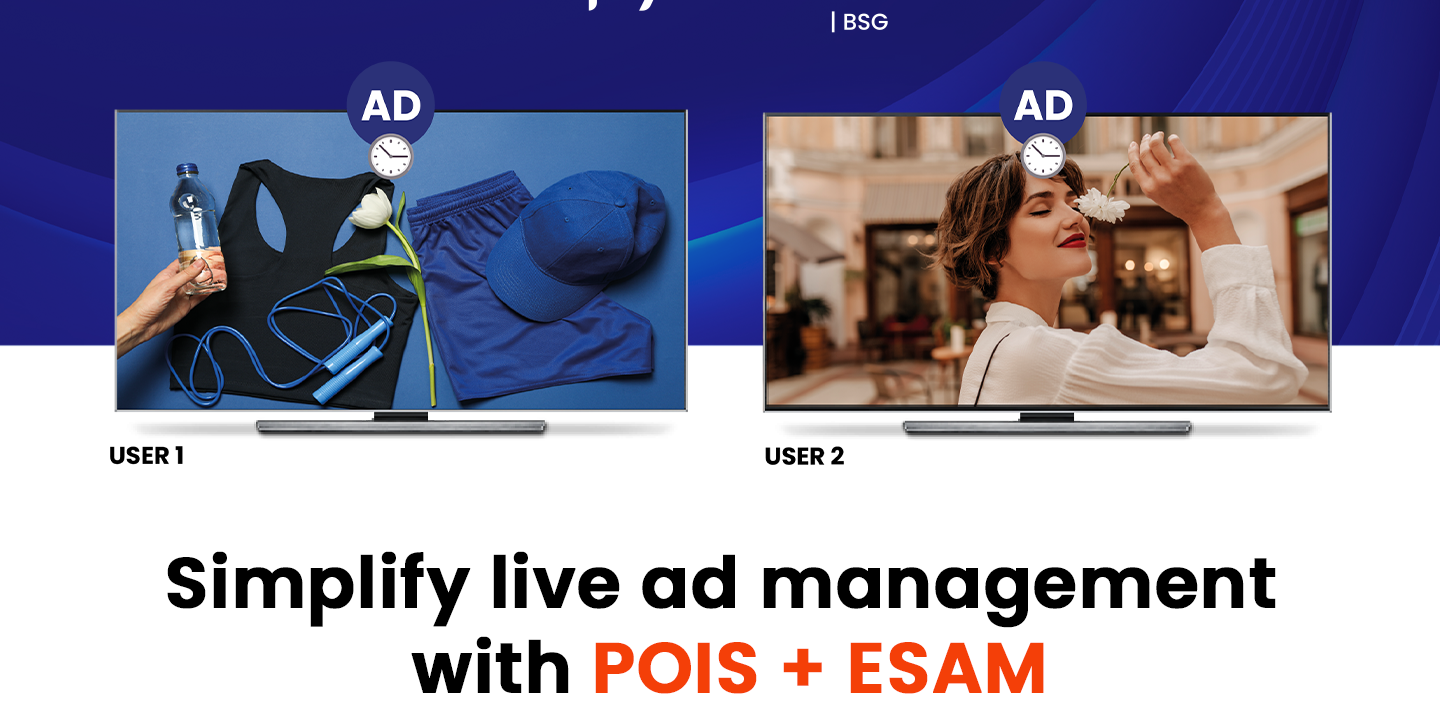
How POIS and ESAM power live ad control
Learn how POIS and ESAM move ad control to the source, giving broadcasters real-time flexibility and regional targeting.
What is Amazon Vega OS and why it matters for Fire TV users
Amazon unveils Vega OS, a new Linux-based system replacing Android on Fire TV. Faster, lighter, and built for independence from Google’s ecosystem.
Are you looking for a partner to build a Video Solution?
Leave your email and a short description about your project. We would gladly discuss different cooperation possibilities!